Understanding Metal Roofing: Benefits and Features
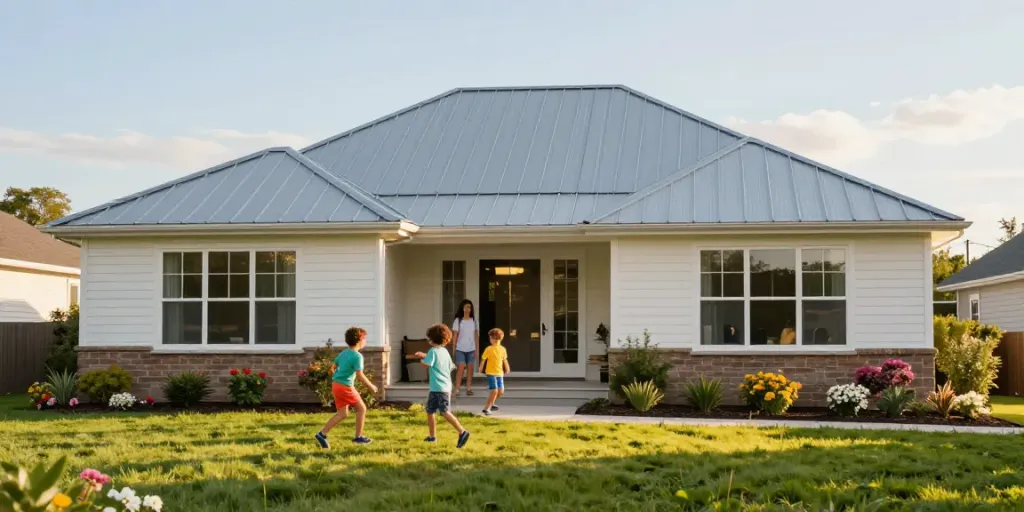
Metal roofing has gained substantial popularity among homeowners and builders alike for its exceptional durability, energy efficiency, and aesthetic appeal. As a modern, eco-friendly alternative to traditional roofing materials, metal roofs offer a multitude of advantages that make them a smart choice for residential properties. When exploring options, Metal Roofing Contractors can provide comprehensive insights into the benefits and features essential for informed decision-making.
What Makes Metal Roofing a Smart Choice?
One of the primary attractions of metal roofing is its longevity. Unlike asphalt shingles that may require replacement every 15-20 years, metal roofs can last 40-70 years depending on the material and maintenance. In addition to longevity, metal roofs are known for their resistance to extreme weather conditions, including heavy rain, snow, and high winds, making them suitable for various climates. Moreover, metal roofing comes in a variety of styles and colors, allowing homeowners to customize their homes' appearances while benefiting from energy efficiency.
Durability and Longevity of Metal Roofs
Metal roofing has a reputation for being one of the most durable roofing materials available. The construction of metal roofs helps them resist fire, pests, and rot, which can be common issues with other roofing types. Many metal roofs are also designed to withstand high winds, withstanding gusts up to 140 mph. This durability translates to lower lifetime costs for homeowners, as less frequent replacement and repair work is required.
Different Types of Metal Roofing Materials
When it comes to metal roofing, homeowners have several material options, including:
- Steel: Known for its strength, steel is often coated with zinc to prevent rust. It is available in various styles, including standing seam and corrugated.
- Aluminum: Lightweight and resistant to rust, aluminum is an excellent choice for coastal areas where salt exposure is an issue.
- Copper: Renowned for its aesthetic appeal, copper develops a unique patina over time but is one of the more expensive options.
- Zinc: Similar to copper, zinc is durable and requires no maintenance, but it can also be pricier than other materials.
Key Factors to Consider When Hiring Metal Roofing Contractors
Choosing the right contractor is crucial to ensure a successful metal roofing project. Homeowners should consider several key factors when comparing and selecting metal roofing contractors.
Credentials and Licensing: What to Look For
First and foremost, it’s essential to confirm that the contractor possesses the appropriate licenses and insurance. A reputable contractor should have liability insurance to protect homeowners from potential damages during the project. Additionally, checking for certifications from recognized industry organizations can signal a contractor's dedication to quality workmanship.
Experience and Specialization in Metal Roofing
Not all roofing contractors are equally experienced with metal roofs. When interviewing potential contractors, inquire about their specialization in metal roofing projects and ask for proof of past work. This can include portfolios of completed projects and references from previous clients, which can help gauge the contractor's reliability and expertise.
Customer Reviews and Testimonials Analysis
Online reviews and testimonials can provide invaluable insights into a contractor’s reputation. Assess platforms like Google, Yelp, and the Better Business Bureau to gather feedback from past customers. Pay attention to recurring themes in reviews, such as punctuality, quality of workmanship, and communication. A contractor with consistently positive feedback is more likely to deliver satisfactory results.
The Installation Process: What to Expect from Your Contractors
Understanding the installation process can help homeowners feel more comfortable and informed during their roofing project. Here’s a breakdown of what to expect.
Preparation Steps Before Installation Day
Prior to installation, contractors will conduct a thorough assessment of your current roofing system. They will provide recommendations based on the condition of your roof and help you select the best metal roofing material to suit your home’s needs. Additionally, they should discuss logistics with you, including the timeline of the project and any preparations needed on your part.
Installation Techniques for Optimal Performance
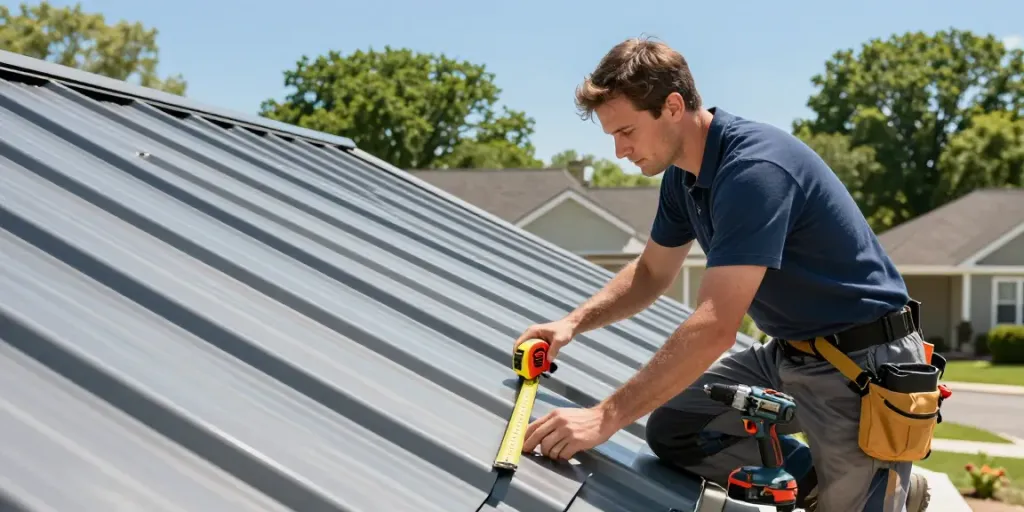
The installation of metal roofing involves several essential steps, including the removal of old roofing materials, proper underlayment installation, and securing metal panels using specific fastening systems. It’s crucial that the contractor adheres to the manufacturer's specifications throughout the installation process to ensure optimal performance and durability of the roof.
Post-Installation Inspection and Maintenance Tips
Once installation is complete, a post-installation inspection is typically conducted to verify quality and compliance with local building codes. Homeowners should also discuss with their contractors the recommended maintenance practices for their metal roofs, which can include regular inspections, cleaning, and keeping gutters clear to prevent water damage.
Cost Considerations: Budgeting for Your Metal Roof Project
Understanding the financial aspects of a metal roofing project is vital for effective budgeting. Here’s what homeowners need to know about costs.
Average Costs for Metal Roofing Installations
The average cost of installing a metal roof can range from $5,500 to $12,000, depending on factors such as the size and complexity of the roof, the type of metal used, and local labor rates. Homeowners should obtain multiple quotes from contractors to ensure competitive pricing and assess the value included in each estimate.
Understanding Quotes and Estimates from Contractors
When reviewing quotes from contractors, it’s important to look beyond the total price. Homeowners should understand what’s included in the estimate, such as materials, labor, permits, and any additional services. This transparency helps prevent unexpected costs during the project.
Financing Options and Tips for Homeowners
Many contractors offer financing options to help make metal roofing projects more accessible. Homeowners should explore various financing plans to find one that fits their budget and payment preferences. Additionally, it can be beneficial to check for local grants or incentives aimed at promoting energy-efficient home improvements.
Future Trends in Metal Roofing for 2026 and Beyond
The metal roofing industry is continually evolving, and staying informed on future trends can help homeowners make better choices about their roofing options.
Sustainability and Eco-Friendly Options
As sustainability becomes increasingly important, many metal roofing manufacturers are producing eco-friendly panels made from recycled materials. Additionally, metal roofs are highly recyclable at the end of their lifecycle, making them a sustainable option for environmentally conscious homeowners.
Innovative Technologies in Metal Roofing
Advancements in technology are making metal roofing systems even more efficient. Innovations include reflective coatings that enhance energy efficiency and integrated solar panel systems that allow homeowners to harness solar energy without compromising aesthetics.
Market Trends Affecting Metal Roofing Prices
As demand for metal roofing rises, prices may fluctuate based on market trends, including raw material costs and labor availability. Homeowners should stay informed about the roofing market to anticipate potential price increases and plan accordingly.
What is the average cost of putting on a metal roof?
The average cost of installing a metal roof varies based on size and material but generally ranges from $5,500 to $12,000.
What is the biggest problem with metal roofs?
The most common issues reported with metal roofing include noise during heavy rain and the potential for expansion and contraction, which can lead to loose fasteners over time.
What is the average price for a 3 ft by 10 ft metal roof?
The average price for a 30 square foot area of metal roofing can range from $300 to $800 depending on the material and location.
What is the 25% rule for roofing?
The 25% rule states that roofing materials should never exceed 25% of the entire structure's footprint without accompanying structural modifications.
How can I find reliable metal roofing contractors near me?
Start by searching online listings, checking reviews, and asking for recommendations from friends and family to find reliable contractors in your area.