Understanding the Benefits of Metal Roofing
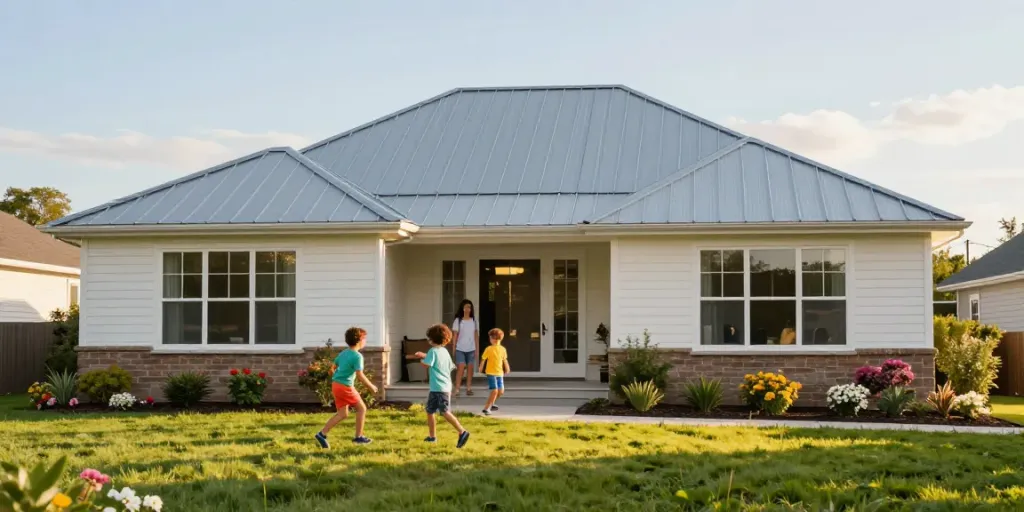
Metal roofing has surged in popularity, particularly among homeowners seeking durability and energy efficiency. With the increasing awareness of environmental impacts and rising energy costs, opting for a metal roof is not only a smart choice but an investment in longevity and sustainability. When exploring options, mroof.ca provides comprehensive insights into the various benefits and offerings in metal roofing technology. This article delves into the compelling advantages of metal roofs, positioning them as a top contender in modern residential and commercial architecture.
Why Choose Metal Roofs Over Traditional Materials?
Metal roofs have distinct advantages over traditional materials such as asphalt shingles or tiles. One primary reason for their rising popularity is their remarkable durability. Metal roofs can withstand severe weather conditions, including heavy rain, snow, and high winds, without succumbing to damage. In regions like Southern Ontario, where storms can be frequent, investing in metal roofing can save homeowners from costly repairs.
Furthermore, metal roofs are less prone to leaks and offer superior fire resistance, making them a safer option. Their lightweight nature also reduces the structural load on a building, allowing for more versatile design possibilities without compromising safety.
Energy Efficiency and Long-Term Savings
One of the most attractive features of metal roofing is its energy efficiency. Metal roofs reflect solar radiant heat, which can keep homes cooler in the summer and reduce energy bills significantly. Homeowners can save up to 25% on cooling costs, especially when paired with appropriate insulation systems.
Moreover, many metal roofing products come with a recycled content, making them an eco-friendly choice that further contributes to their appeal among environmentally conscious consumers. Over time, the initial higher investment in metal roofing is offset by these substantial savings on energy costs and maintenance.
Durability Against Harsh Weather Conditions
The strength of metal roofing lies in its resilience. Unlike traditional roofing materials that may crack or curl under extreme weather conditions, metal roofs remain intact, providing long-lasting protection. With the capability to endure temperatures ranging from extreme heat to cold, they are ideal for diverse climates.
Additionally, metal roofs have the advantage of being rust-resistant, particularly those treated with special coatings that extend their lifespan even further. As a result, metal roofs typically last 40-70 years, drastically outpacing asphalt shingles, which last about 15-30 years.
Innovative Metal Roofing Options in 2026
As we move into 2026, the metal roofing industry is poised for innovation, with new materials and technologies enhancing the performance and aesthetic appeal of this roofing option. Homeowners are no longer limited to the standard gray metal; the options available now encapsulate a wide array of styles and performance advantages.
New Materials and Coatings for Enhanced Performance
Advancements in metal roofing materials continue to enhance durability and energy efficiency. New coatings, such as thermal reflective materials, help further reduce heat absorption while improving aesthetics. These innovations not only protect the roof from UV damage but also contribute to the overall efficiency of heating and cooling systems within the home, reinforcing the long-term savings aspect discussed earlier.
Additionally, composite metal panels that mimic the appearance of shingles or tiles provide homeowners with the traditional aesthetic while retaining the benefits inherent to metal roofing. This blend of style and performance is a game-changer for residential architecture.
Trendy Styles and Colors That Elevate Home Aesthetics
The customization of metal roofs has become more accessible, with a broad spectrum of colors and styles available to homeowners. From vibrant hues to rustic finishes, metal roofing now caters to every design preference. Homeowners can choose colors that complement their home’s exterior and neighborhood aesthetics without compromising on the practical benefits that metal roofs provide.
Trends in residential construction also indicate a growing preference for bold colors and unique designs, making metal roofing an attractive option for new builds and renovations alike.
Smart Roofing Technology for Modern Homes
The rise of smart technology in construction extends to metal roofing as well. Smart roofs equipped with sensors for monitoring temperature and moisture levels are being developed to provide real-time data to homeowners about their roof's condition. This technology can alert homeowners to potential issues before they become major problems, enhancing the maintenance and longevity of their investment.
In addition, smart roofing systems can be integrated with home automation systems, allowing homeowners to track energy consumption and potentially automate certain functions to maximize energy efficiency.
Installation Best Practices for Metal Roofs
While choosing a metal roof is a significant step, proper installation is critical to ensure that one reaps all the benefits associated with this roofing type. Engaging the right contractor and understanding the installation process can make a substantial difference in performance and durability.
Choosing the Right Contractor: What to Look For
When selecting a contractor for metal roof installation, it is important to consider their experience and expertise in the field. A reputable contractor should have a portfolio of previous work and positive testimonials from satisfied clients. Additionally, ensure that they are familiar with the specific installation requirements for metal roofing, as improper installation can lead to leaks and decreased longevity.
Look for contractors who provide a warranty on their workmanship, as this speaks to their commitment to quality. Asking for references and checking online reviews can also provide valuable insights into their reliability and craftsmanship.
Step-by-Step Installation Process Explained
The installation of a metal roof involves several key steps, each requiring careful attention to ensure a successful outcome. The process begins with the removal of the old roofing material, followed by a thorough inspection of the decking underneath. Any repairs to the decking should be made before proceeding.
Once the deck is prepared, a moisture barrier is installed to protect against leaks. The metal panels are then cut and fitted, ensuring secure attachment to the underlayment. Special attention should be given to fastening and overlapping panels to create a seamless and waterproof surface. Finally, all finishing details, such as flashing and trim, are applied to complete the roof.
Post-Installation Maintenance Tips
Although metal roofs require minimal maintenance, some care is necessary to ensure longevity. Regular inspections, especially after severe weather events, can help identify potential issues early. Keeping gutters and downspouts clear of debris and inspecting for rust or damage periodically contributes to the roof's overall health.
Additionally, it's advisable to wash the roof occasionally to remove dirt and debris that can degrade the finish over time. Homeowners should consult the manufacturer’s guidelines for specific maintenance recommendations related to their metal roofing system.
Cost Considerations and Budgeting for Metal Roofs
The cost of metal roofing can vary widely based on several factors, including material type, roof size, and complexity of the installation. Understanding these costs upfront can help homeowners budget effectively for their roofing project.
Initial Investment vs. Long-Term Value
The initial investment for a metal roof may be higher than traditional options; however, it’s essential to consider the long-term value. Metal roofs can provide savings on energy bills, reduced maintenance costs, and increased property value. When homeowners weigh these factors, the higher upfront cost often seems justifiable.
In essence, the return on investment for metal roofing can surpass that of traditional roofing materials, making it an economically sound choice for many.
Financing Options Available for Homeowners
A variety of financing options are available to homeowners considering metal roofing. Many contractors offer payment plans or financing options that can allow homeowners to manage the costs over time. Additionally, some local governments and utility companies offer incentives for energy-efficient roofing installations, providing further financial relief.
Exploring grants, loans, or tax incentives specifically for energy-efficient home upgrades can make the transition to metal roofing more accessible and affordable.
Understanding Local Regulations and Incentives
Homeowners must also be aware of local building codes and permit requirements when installing a metal roof. These regulations can vary significantly by region. Consultation with local authorities or a knowledgeable contractor can ensure compliance and avoid potential issues during installation.
Furthermore, understanding local incentives can help homeowners maximize their investment. Many areas offer tax rebates or other financial incentives for installing energy-efficient materials, including metal roofing.
Future Trends in the Metal Roofing Industry
The metal roofing industry is rapidly evolving, with trends indicating that the future will bring even more innovative solutions. Homeowners and builders alike are increasingly aware of sustainability and energy efficiency, pushing manufacturers to develop products that align with these values.
Eco-Friendly Innovations and Sustainability Practices
As environmental concerns dominate consumer choices, companies are innovating to produce more eco-friendly metal roofing solutions. This includes using recycled materials and implementing sustainable manufacturing processes. Additionally, many metal roofs are themselves recyclable at the end of their 50-plus year lifespan, minimizing waste.
Innovations in coatings and finishes that reduce environmental impact while enhancing performance are becoming more prevalent, paving the way for a greener future in construction.
Consumer Preferences and Market Predictions for 2026
Consumer preferences are leaning towards products that are not only functional but also environmentally responsible. As awareness of climate issues increases, homeowners are more likely to invest in sustainable solutions like metal roofing. By 2026, the market is expected to see a significant rise in demand for materials that meet these new consumer expectations.
Moreover, the aesthetic appeal of metal roofing will continue to play a substantial role in purchasing decisions, leading manufacturers to innovate more designs and finishes that resonate with modern homeowners.
Expert Insights on Future Developments in Roofing Technology
Experts predict that advancements in smart roofing technology will further enhance the utility of metal roofs. As connectivity increases, homeowners may look for options that integrate with smart home systems to monitor and manage energy efficiency proactively.
In conclusion, the metal roofing industry is not just a trend; it's a reflection of a broader shift towards durability, sustainability, and sophistication in residential building practices. For homeowners considering a roof upgrade, aligning with innovative companies like MRoof can ensure they are making a choice that benefits both their homes and the environment.