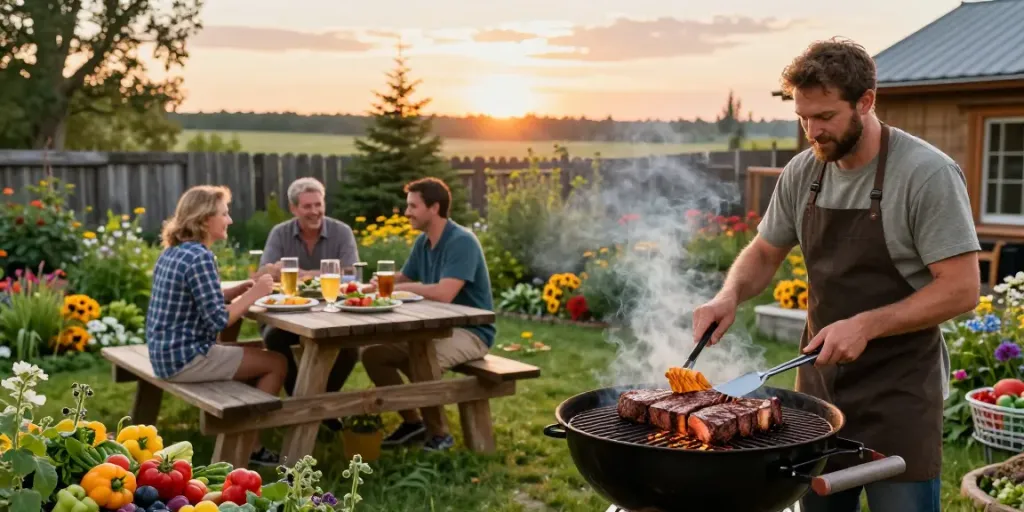
Understanding Barbecue Alberta: A Culinary Tradition
Barbecue is more than just a cooking method; it's a culinary journey that reflects the culture and history of a region. In Alberta, barbecue has become a cherished tradition, celebrated for its unique flavors and cooking techniques. As one of Canada’s premier beef-producing provinces, Alberta provides an ideal backdrop for barbecue enthusiasts who seek to honor the craft while embracing modern twists. With a rich history rooted in agricultural practices and a growing community of passionate pitmasters, Alberta's barbecue scene is vibrant and exciting.
When exploring options, barbecue Alberta offers insights into the cultural significance and techniques that make this region a hotspot for barbecue lovers. From community events to family gatherings, the art of barbecue in Alberta is a celebration of flavor and fellowship.
The Origins of Barbecue in Alberta
The roots of barbecue in Alberta can be traced back to the early Indigenous cultures who cooked over open fires, evolving over time through the influences of European settlers and American barbecue traditions. The introduction of cattle ranching in the 19th century transformed Alberta into a meat lover’s paradise, laying the groundwork for a barbecue culture that prioritizes quality ingredients, particularly beef. Local ranchers began experimenting with different smoking and cooking techniques, passing down knowledge through generations.
Today, Alberta barbecue is characterized by its emphasis on local beef, which is often cooked using a variety of techniques that include smoking, grilling, and slow roasting. This blend of historical practices and modern innovation has led to a diverse range of styles and flavors, making Alberta a barbecue destination in Canada.
Regional Differences in Barbecue Styles
Barbecue styles in Alberta vary significantly across regions, reflecting the diverse Canadian landscape and cultural influences. In urban centers like Calgary and Edmonton, you’ll find a fusion of traditional and contemporary barbecue styles, often featuring gourmet takes on classic dishes. The Alberta barbecue experience is not solely defined by meat; it also includes an array of side dishes and sauces that complement the flavors of the grilled fare.
- Calgary Style: Known for its bold flavors, Calgary barbecue often includes smoked brisket and pulled pork, served with tangy sauces.
- Edmonton Style: This style emphasizes simplicity, focusing on high-quality cuts of meat seasoned lightly to highlight the natural flavors.
- Rural Alberta: In rural areas, traditional methods prevail, with many locals utilizing homemade pits and wood smoke to create deep, rich flavors.
Choosing the Right Equipment for Barbecue Alberta
Types of Barbecue Grills: Gas, Charcoal, and Wood
Selecting the right grill is pivotal for achieving the perfect barbecue results. Each type of grill offers unique advantages that cater to different cooking styles and preferences:
- Gas Grills: These grills offer convenience and consistent temperature control, ideal for quick weeknight dinners or larger gatherings.
- Charcoal Grills: For those who appreciate the rich, smoky flavor, charcoal grills are perfect but require more time and patience to manage heat.
- Wood Smokers: These are favored by purists who want to infuse their meats with deep flavors. Mastering a wood smoker involves understanding how wood types affect flavor and cooking time.
Essential Tools for a Great Barbecue Experience
Having the right tools can elevate your barbecue experience significantly. Essential items include:
- Thermometers: A meat thermometer ensures that your meat reaches the desired internal temperature for safety and flavor.
- Grilling Tools: Tongs, spatulas, and brushes for basting are crucial for effective handling and cooking.
- Smoke Box: If using a gas grill, a smoke box can help incorporate that smoky flavor without switching to charcoal.
Setting Up Your Barbecue Station: Tips and Tricks
Creating an efficient barbecue station will facilitate a smoother cooking process. Consider these tips:
- Maintain a clean space to avoid cross-contamination.
- Organize all ingredients and tools within arm's reach.
- Utilize trays to keep raw meats separate from cooked dishes.
Selecting Quality Ingredients for Barbecue Alberta
Best Cuts of Beef for Barbecue Enthusiasts
Choosing the best cuts of beef is crucial for a successful barbecue. Popular choices among Alberta pitmasters include:
- Brisket: Ideal for slow cooking, brisket is known for its tenderness and depth of flavor.
- Ribeye: Rich in marbling, ribeye steaks are perfect for grilling and offer robust flavors.
- Short Ribs: These are favored for their intense flavor and tenderness when cooked properly.
Local Alberta Farms: Sources for Fresh Ingredients
Supporting local farmers is essential for ensuring high-quality barbecue ingredients. Many farmers in Alberta prioritize sustainable and ethical practices. Purchasing directly from farms not only supports the local economy but also guarantees fresher meat and produce.
Marinades and Rubs: Enhancing Flavor Profiles
Marinades and dry rubs can drastically change the flavor profile of your dishes. Consider these key components:
- Acidic Ingredients: Vinegar, citrus juices, or yogurt tenderize the meat while adding flavor.
- Spices: A blend of spices, including paprika, cumin, and garlic powder, can enhance the overall taste.
- Sweeteners: Ingredients like brown sugar or honey can caramelize beautifully on the grill.
Perfecting Your Barbecue Techniques
Temperature Control and Cooking Times for Alberta Beef
Understanding temperature control is vital for cooking Alberta beef to perfection. Each cut has its ideal cooking temperature:
- Brisket: Cook at 225-250°F (107-121°C) for 10-14 hours.
- Steaks: Grill at high heat, around 450-500°F (232-260°C), for quick cooking.
- Ribs: Slow cook at 225°F (107°C) for about 6 hours for tender results.
Common Mistakes to Avoid While Barbecuing
To ensure your barbecue is hit, avoid these common pitfalls:
- Overcrowding the grill, which can lower the temperature.
- Not allowing the meat to rest, leading to loss of juices.
- Using high heat exclusively; a combination of cooking methods yields better results.
Finishing Touches: Sauces and Sides That Complete the Meal
No barbecue is complete without delicious sauces and sides. Consider these options:
- Barbecue Sauces: From smoky to sweet, the right sauce can elevate your meat.
- Classic Sides: Coleslaw, baked beans, and cornbread are traditional accompaniments.
- Fresh Salads: Light salads can offer a refreshing balance to richer barbecue dishes.
Hosting the Perfect Barbecue Alberta Gathering
Planning Your Menu for a Memorable Experience
Menu planning is key to a successful barbecue gathering. Consider the preferences of your guests and balance different flavors and textures. Offering a variety of meats, along with vegetarian options and side dishes, will cater to all tastes.
Creating a Welcoming Atmosphere for Guests
Setting the right atmosphere can enhance the barbecue experience:
- Utilize outdoor lighting and decorations to create a cozy environment.
- Music selection that suits the mood can help set the tone.
- Provide ample seating and places for guests to mingle.
Future Trends: What’s Next for Barbecue in Alberta?
As barbecue continues to evolve, new trends will shape the future of this culinary art. Expect to see:
- Increased focus on plant-based barbecue options that cater to vegans and vegetarians.
- Innovative cooking techniques using technology, like smart grills that offer temperature control.
- Fusion cuisines that blend traditional barbecue with global culinary influences.