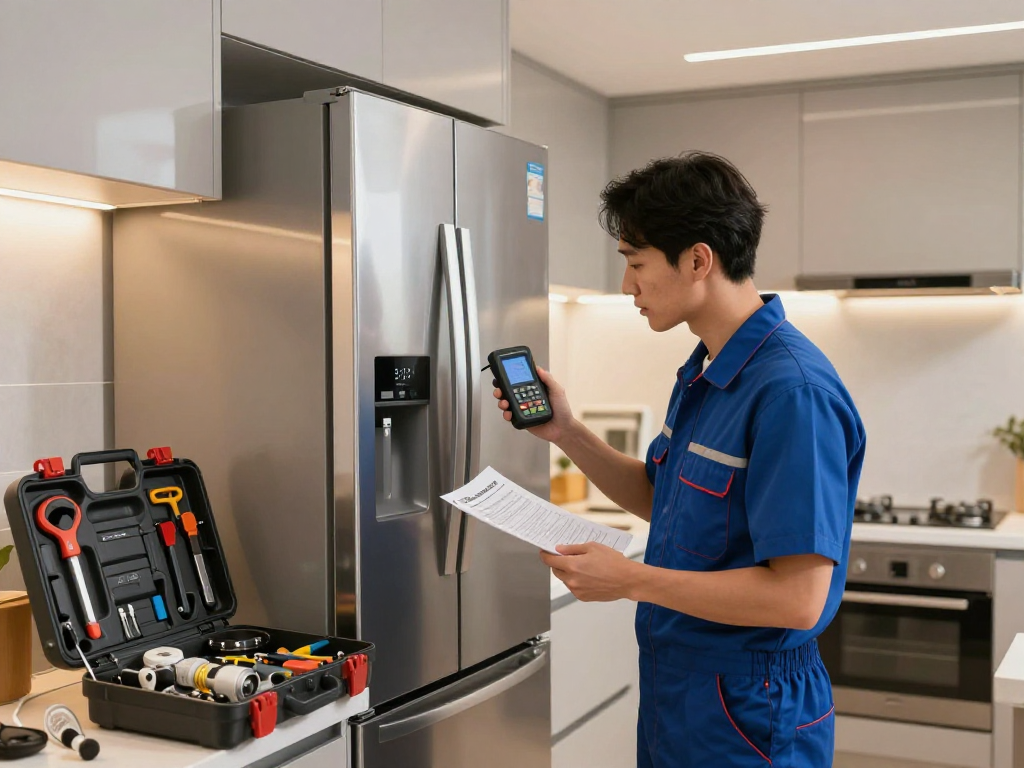
The Importance of Regular Refrigerator Maintenance
Maintaining your refrigerator is crucial for ensuring its longevity and consistent performance. Regular maintenance not only helps preserve your food but also prevents costly repairs in the long run. With a little attention and care, you can extend the life of your refrigerator and enjoy uninterrupted service. In 2026, as families become increasingly reliant on refrigeration technology, understanding the importance of refrigerator maintenance has never been more essential. When exploring options, refrigerator repair services can provide comprehensive insights into how to manage your appliance better.
Understanding Common Refrigerator Issues
Refrigerators are complex appliances that can experience a range of issues over time. Some of the most common problems include:
- Inadequate cooling or freezing
- Excessive noise
- Water pooling inside or around the refrigerator
- Foul odors
- Faulty ice makers
By familiarizing yourself with these issues, you’ll be better prepared to identify problems early on and take appropriate action. For instance, if you notice that your fruits and vegetables are spoiling faster than usual, it may indicate a cooling problem that needs immediate attention.
Signs Your Refrigerator Needs Repair
Knowing when your refrigerator needs repair is crucial for preventing more severe issues. Here are some warning signs to watch for:
- The appliance is making unusual sounds
- The lights inside are flickering or not working
- There’s condensation on the outside of the fridge
- Food is freezing in the fridge section
- The appliance runs constantly without cycling off
Addressing these issues promptly can save you from the inconvenience of a broken refrigerator and the potential loss of food supplies.
Best Practices for Preventative Maintenance
Preventative maintenance is key to keeping your refrigerator in good working order. Here are some best practices to consider:
- Clean the condenser coils every six months to facilitate efficient cooling.
- Check door seals for leaks to ensure proper insulation.
- Keep the interior clean and organized to allow for proper air circulation.
- Regularly inspect and replace water filters to maintain water quality.
- Ensure the fridge is level to prevent door issues.
Implementing these practices can help you avoid many common refrigerator problems and extend the appliance’s lifespan.
Choosing the Right Refrigerator Repair Service
When your refrigerator does require professional help, it's imperative to select a trustworthy and competent repair service. The right choice can make all the difference in the effectiveness and efficiency of the repair process.
What to Look for in a Repair Technician
Choosing a reputable technician is essential. Look for the following qualities:
- Relevant certifications and training
- Experience with your specific refrigerator brand
- Good communication skills and customer service
- Warranty on repairs
These traits not only reflect professionalism but also ensure that your appliance is in capable hands.
Evaluating Service Reviews and Credentials
Before making your final choice, evaluate reviews and testimonials from previous customers. Check online platforms and ask for references to gauge service quality. Look for consistent positive feedback, particularly regarding:
- Timeliness of service
- Quality of repairs
- Customer support after the repair
A technician with solid credentials and an excellent reputation will likely provide better service.
Comparing Costs and Service Packages
Not all repair services are created equal when it comes to pricing. Obtain quotes from multiple service providers and compare them to identify reasonable rates. Inquire about:
- Initial service call fees
- Hourly labor rates
- Cost of replacement parts
- Package deals that might include maintenance plans
Making a well-informed choice will help you balance quality service with a budget-friendly approach.
DIY Refrigerator Repair: When is it Safe?
While many refrigerator repairs should be left to the professionals, there are several basic issues homeowners can safely address. Understanding DIY limits is key to ensuring safety and proper function.
Basic Troubleshooting Techniques
Before calling for service, some troubleshooting steps can be undertaken. For example:
- Check to ensure it’s plugged in and that the outlet is functioning.
- Examine the temperature settings to verify they are correctly set.
- Inspect the door seals for any gaps or tears.
- Clear clogged defrost drains to prevent leaks.
These simple checks can reveal whether a technician is truly necessary or if an easy fix is available.
Common Repairs Homeowners Can Handle
Some repairs can be done without professional help, such as:
- Replacing a burnt-out light bulb
- Changing water filters
- Cleaning the condenser coils
However, ensure you have the right tools and follow safety procedures when tackling these tasks.
Tools and Materials Needed for DIY Repairs
If you are considering DIY repairs, gather the following tools:
- Screwdrivers (Philips and flathead)
- Wrench set
- Multimeter for electrical testing
- Replacement parts specific to your refrigerator model
- Cleaning supplies for routine maintenance
Being equipped can make your DIY endeavors more successful.
Understanding the Costs of Refrigerator Repair
Understanding potential repair costs can help you prepare financially and avoid surprises. An informed homeowner is much better equipped for discussions with repair technicians.
Average Repair Costs and Labor Rates
The cost of repairing refrigerators varies based on the problem and location, but here are average estimates:
- Minor repairs (e.g., changing a thermostat): $100 - $200
- Medium repairs (e.g., compressor replacement): $200 - $400
- Major repairs (e.g., full internal repair): $400 - $800
Labor rates typically range from $50 to $150 per hour, depending on your area.
How to Avoid Overcharging Scams
To avoid scams, follow these tips:
- Research the average costs for your specific repair.
- Get multiple quotes before deciding.
- Be wary of unusually low prices that seem too good to be true.
Understanding the typical price range can protect you from overcharges.
When to Repair vs. When to Replace
Deciding whether to repair or replace your refrigerator can be challenging. Here are some guidelines:
- If the repair cost exceeds half the price of a new refrigerator, consider replacement.
- For older models, replacement may be more cost-effective in the long run.
- Evaluate the energy efficiency of older models versus new ones.
Balancing repairs and replacements is key to preserving function without overspending.
Future Trends in Refrigerator Repair Services
The refrigerator repair industry is evolving, influenced by technology, consumer demands, and environmental considerations. Keeping an eye on future trends is essential for both service providers and homeowners.
Predicted Advances in Refrigeration Technology
As technology advances, new refrigeration systems are becoming standard. Expected advancements include:
- Smart refrigerators with diagnostic capabilities
- Energy-efficient models that require less maintenance
- Integration with home automation systems
Understanding these advancements will help homeowners adapt their maintenance strategies.
Impact of Smart Technology on Repairs
Smart technology has a dual impact on repairs:
- Enhanced diagnostics help pinpoint issues accurately, reducing service time.
- New technologies may require specialized training for technicians to perform repairs.
Being aware of these factors is vital for anyone seeking repair services in a smart-home environment.
Sustainability Trends in Appliance Repair
As sustainability becomes a priority, repair services are adapting by:
- Promoting repair over replacement
- Using eco-friendly parts and materials
- Implementing recycling programs for old appliances
These initiatives not only benefit the environment but can also encourage consumers to repair rather than replace their appliances.
What common refrigerator problems can I fix myself?
Common problems include changing light bulbs, replacing water filters, and unclogging drainage systems. Many homeowners can handle these without professional assistance.
How long does a refrigerator repair take?
The duration of repairs can vary. Minor repairs typically take an hour or two, while more extensive issues may require several hours or multiple visits.
Are there warranties on refrigerator repairs?
Many reputable service providers offer warranties on repairs, covering parts and labor for a specified period. Always ask for these details before proceeding.
What should I do if my refrigerator is not cooling?
If your refrigerator isn’t cooling, first check the thermostat setting, inspect the door seals, and clean the condenser coils. If these steps do not resolve the issue, contacting a professional technician is advisable.
How can I prevent my refrigerator from breaking down?
Routine maintenance, such as cleaning coils, checking seals, and regular inspections, can significantly reduce the likelihood of breakdowns. For more information, appliance repair near me offers valuable insights. Awareness of potential issues helps ensure early detection and preventative measures.